Site and setting
Look beyond the hillside view.
Access, drainage and the different questions specialist reports can answer.
Buyer strategy · By Andrew Rayas
Character may bring you through the door. The records, condition and layout help you decide whether to stay.
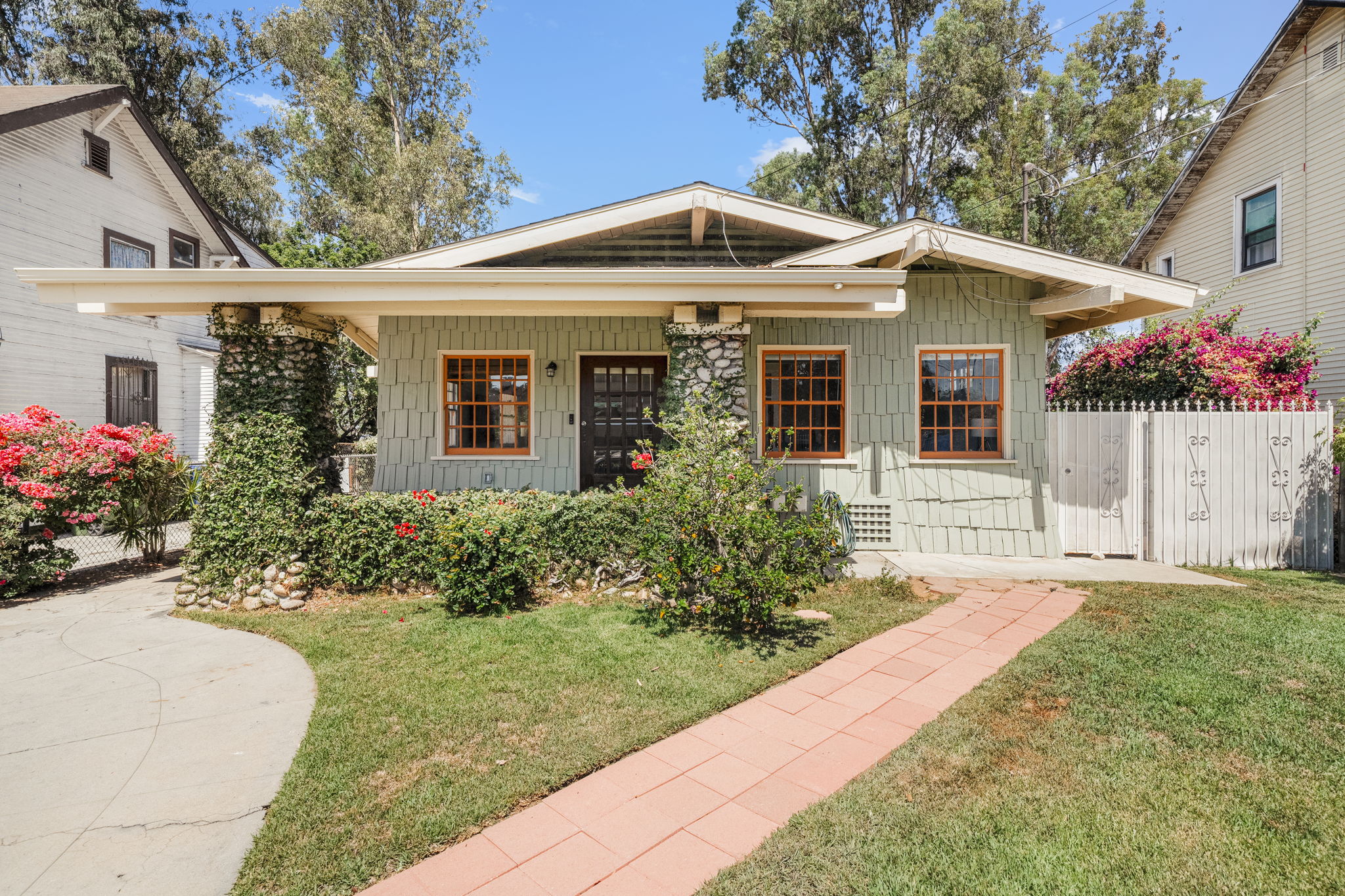
At 633 Camulos Street, our sale story included years of the owners’ care. Helping buyers understand that work meant connecting the finished house with its history and documentation. A beautiful room did not answer every question about the systems behind it.
That is the approach I bring to an older-home search: appreciate what makes the property compelling, then organize the information needed to evaluate ownership. Age alone does not tell you what work lies ahead. Neither does a fresh finish.
Read the Camulos storyBefore assigning value to a period detail or an extra room, test the layout against your day. Where would you work? Does the route between parking and the kitchen suit you? Will the rooms you need for quiet share a wall with the busiest part of the house?
Separate an existing function from an imagined alteration. If a property only works after a wall moves or a space changes use, that plan needs its own feasibility and approval review. Do not let a possibility become an assumed feature of the home.
A seller may have invoices, photographs, plans or earlier reports. Ask what each one establishes. A proposal describes possible work; it does not prove completion. An older invoice can explain a repair history without guaranteeing present condition.
At Camulos, the useful lesson is to make care understandable. For a buyer, that means following the history to the relevant records and identifying the unanswered questions. Avoid assuming that an attractive older feature is original or that the property has a historic designation without support.
How to read the home’s recordsFor each important finding, identify what is known, which professional can explain it and what additional information is needed. A general inspection may lead to specialist review. Its length is not a reliable measure of whether the house is right for you.
Our Ditman preparation correspondence provides a concrete example: a roof labor proposal excluded possible wood replacement that could only be assessed after the shingles came off. That difference between a visible scope and an unresolved condition matters to a buyer too. Ask what an estimate includes and what could change.
Read the complete inspection guideA buyer comfortable managing a project may reach a different decision from someone who needs a simpler move. Neither should decide from a vague label such as “needs work.” Seek a defined scope, a realistic sequence and the limits of what the professionals can currently assess.
Review the actual contract deadlines with your agent, financing with your lender and technical conclusions with the relevant specialists. The aim is not a flawless house. It is an informed choice about the house, the uncertainty and the responsibilities you are taking on.
Site and setting
Access, drainage and the different questions specialist reports can answer.
After acceptance
Keep investigation, financing, documents and possession connected.
The daily routes
Use your actual routines to compare streets and locations.
Tell us what draws you to the house, and which question you cannot yet answer.
We can help you build the next step around both.
Talk about your home search