
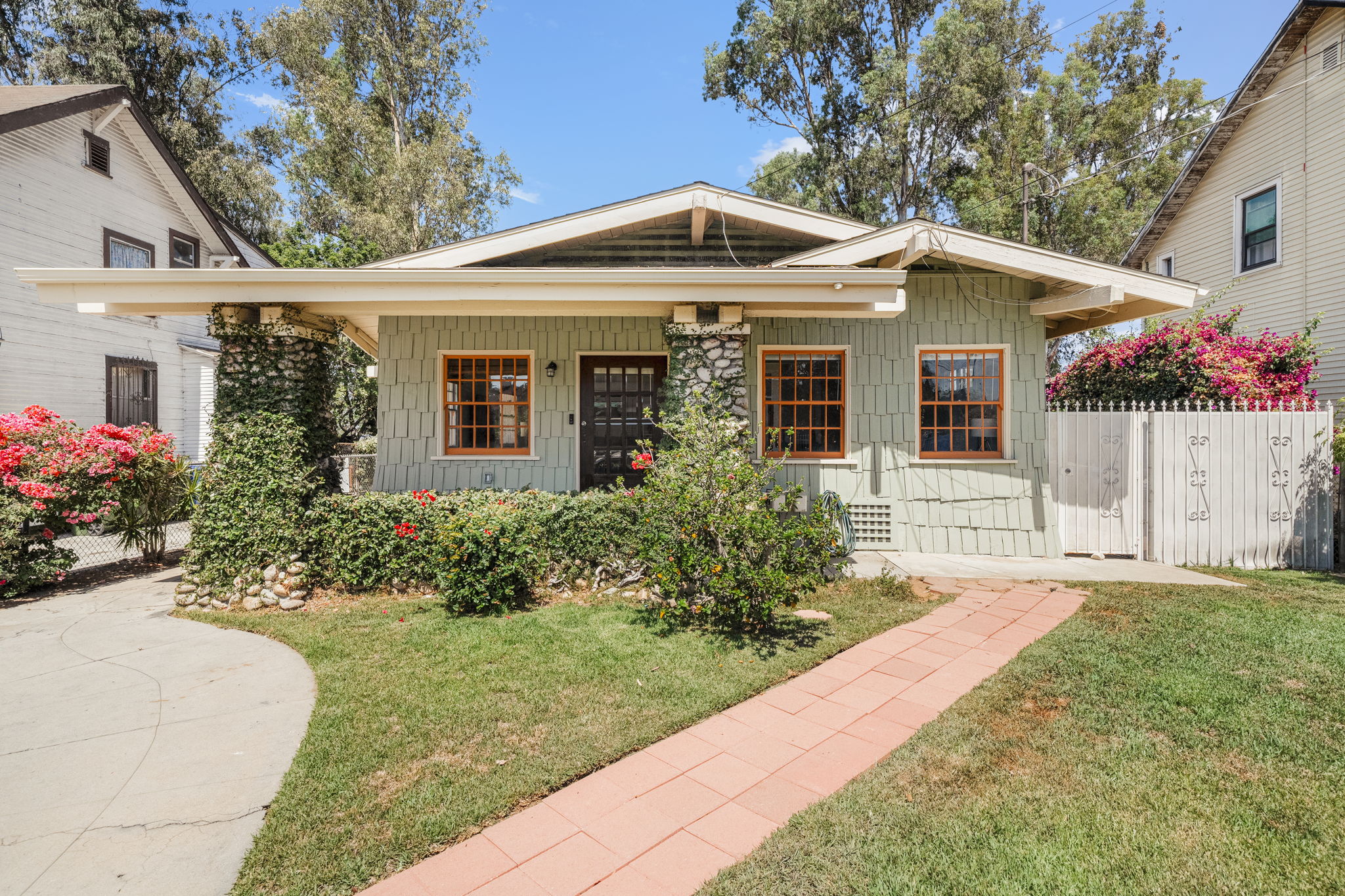
A house can have a long history of careful maintenance and a surprisingly difficult-to-read folder. A proposal sits beside a paid invoice. An email explains a change to the scope. A photograph shows the finished surface, but the filename says nothing about the project. The owner remembers how these pieces connect until several years have passed.
Camulos’s sale story made that problem clear: care deserves to be understandable. Ditman’s roof correspondence supplied another useful reminder: the original proposal, additional material information and final status are separate records. Keeping those distinctions visible helps during ownership as well as a future sale.
Give each project a short cover note
The cover note does not need to sound technical. Name the area or system, summarize the reason for the project and identify the provider. Then state what the available documents establish. For example: “This folder contains the accepted proposal, invoice and photographs for the exterior paint scope.”
If completion, payment or an approval is not established, say so. The note should help a future reader find evidence, not turn memory into a verified claim. Preserve the original records underneath it. A summary is useful only if someone can tell where the summary came from.
Keep proposed and completed items separate
A saved estimate may describe a project that was reduced, changed or never authorized. Label it as a proposal until the record supports a different status. Keep a revised scope beside the earlier version rather than overwriting the history and losing the explanation.
For a hypothetical roof project, that might mean separate documents for the initial labor proposal, selected material, any approved change and the completion record. The point is not to create more paperwork. It is to prevent a future buyer, contractor or owner from assuming the first document in the folder describes everything that actually happened.
Photograph the context, not just the finished surface
If you can safely take photographs during a project, include a wider view that establishes the location as well as any useful detail. Name the files with the project and a plain description. Keep the original capture information when available.
Do not enter an unsafe area or interfere with a crew to document a project. Ask the provider for appropriate photographs if a component will become inaccessible. A photograph can be useful context for a later professional, but it does not certify the quality or adequacy of a repair. That conclusion requires the relevant expertise and evidence.
Track the next obligation
Some records matter because they tell you what comes later: a maintenance interval, a warranty condition, a recommended follow-up or an approval that still needs confirmation. Put that obligation in a short visible list with its source. Do not allow it to disappear because the house looks finished.
Where permits or inspections apply, retain the available record and verify the status with the responsible authority. Do not assume a contractor invoice proves final approval. Similarly, a paid invoice should not be treated as a tax classification. Save it so the appropriate professional can advise you when that question arises.
Make a separate folder for sharing
Your working archive may contain contact information, payment details, access instructions or personal correspondence. A marketing folder should not be a copy of that archive. Choose appropriate property photographs and a factual project summary; share transaction records through the appropriate controlled process.
Before selling, I can help identify which records answer likely buyer questions and which items need clarification. During ownership, the same organization helps a new vendor understand what came before. You do not have to reconstruct the house’s entire history in one weekend. Start with the next project, give it a clear note and preserve the evidence while it is still easy to find.