
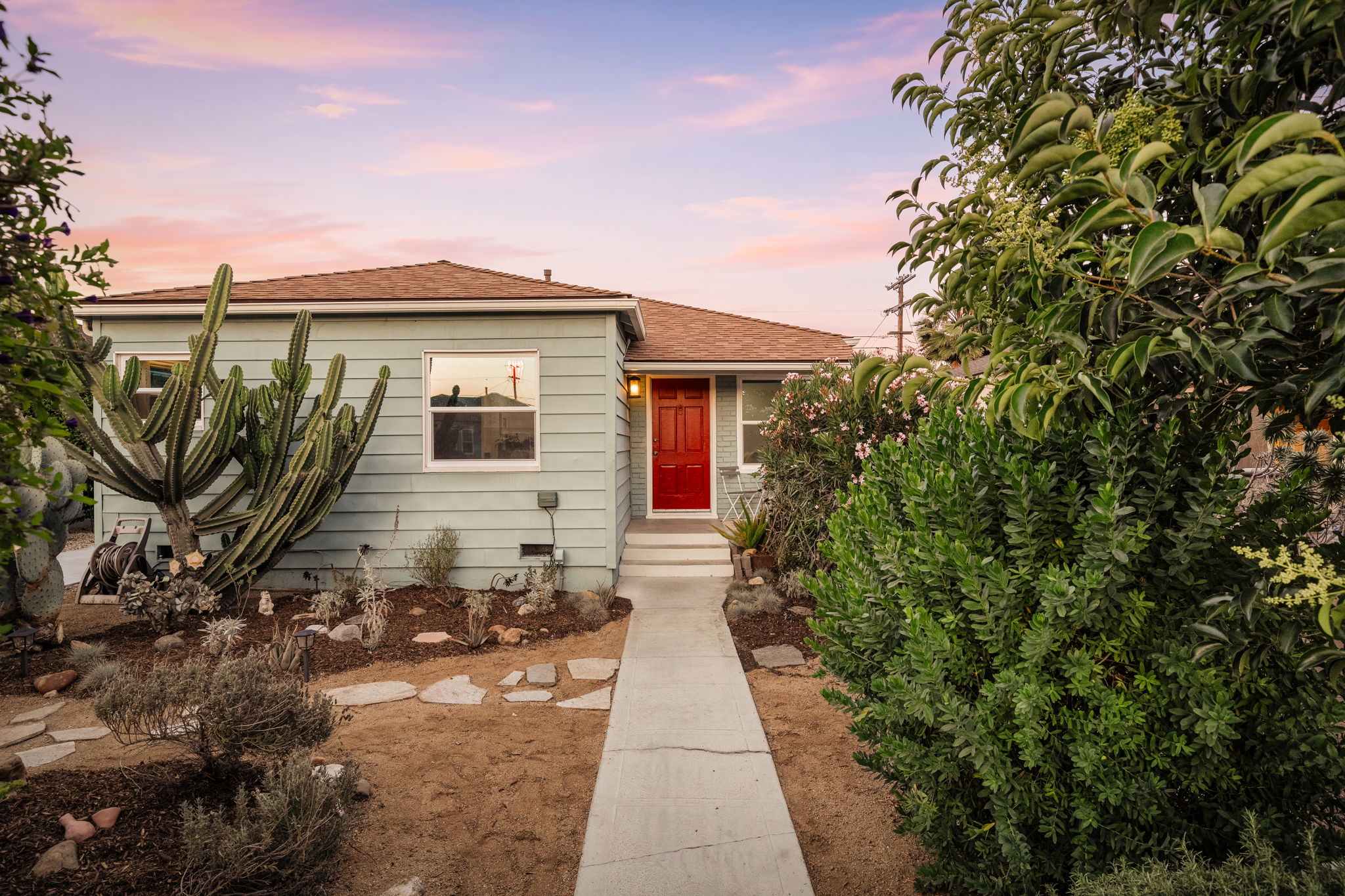
When someone asks what they should do before selling, my first question is not which paint color to choose. I want to know what we understand about the house. A roof concern, an old sewer line or an unresolved foundation question can affect the preparation plan long before a photographer arrives.
Pre-sale inspections give the seller information while there is still time to consider the options. That is why I make them an early conversation in our listing work. Finding an issue does not mean every seller must repair everything. It means we can discuss the house with more than assumptions.
Seller inspections and buyer inspections have different jobs
A seller’s pre-sale inspection happens before the listing or before a buyer’s investigation. It helps the owner decide what to repair, what needs another opinion and how to prepare the information buyers will review.
A buyer’s inspection happens as part of that buyer’s own investigation, usually during escrow. The buyer is assessing the home they may purchase. Even when we have arranged seller inspections and prepared reports, the buyer may choose their own inspectors and raise additional questions.
Related guideWhat actually happens at a buyer’s home inspection?
First, we walk through the house and collect its history
I would start with what you already know. Has the roof leaked? Have you had recurring drain problems? Is there a report from an earlier purchase or a repair invoice in a drawer? Which projects were completed, and which were only discussed?
You do not need a perfectly organized file before calling us. Bring the reports and records you have, and tell us what you cannot find. I help identify the questions to take to the inspector or the appropriate specialist. An agent’s walkthrough helps us plan, but it is not a technical inspection.
We also talk about your timing and how much preparation you want to take on. Someone who needs a simple sale may make different choices from an owner who has time to coordinate selected work.
Then we arrange the right inspections
A general home inspection is a useful broad starting point. It looks at accessible systems and components and produces a written report, including limitations and recommendations for further evaluation. It does not answer every specialized question.
At 4815 O’Sullivan Drive, we arranged a general home inspection, received the report and shared it with the sellers. A separate seller-side foundation pre-inspection was also requested and scheduled. The foundation appointment was its own step, with its own provider. It was not something to infer from the finished exterior photographs.
For another house, the appropriate additional appointment might involve a sewer specialist, roofer or other qualified professional. We choose the investigation around the property and the available information, rather than assuming every home needs the same package.
What the inspection day looks like for a seller
Before the visit, confirm the inspector’s access requirements. Think about the gate, garage, attic opening, crawlspace entrance and areas around equipment. Arrange pets and stored belongings so the provider can reach the agreed areas safely. Confirm utility requirements directly with the inspector; do not turn unfamiliar equipment on yourself.
The inspector works through the agreed scope, documents observations and notes limitations. Ask when the report will be delivered and how to discuss the findings. If an area cannot be reached, we need to know whether a return visit or different provider is necessary.
I help coordinate the appointment and the questions that follow. You should know who is coming, why they are there and what information you are expecting afterward. An inspection visit itself does not authorize a repair crew to begin work.
At Ditman, the next step was understanding the roof proposal
At 1826 N Ditman Avenue, the sellers thanked us for arranging early inspections and asked for the next roofing estimates. The conversation then became very specific.
A proposal covered the labor involved in removing the old shingles and installing new ones. The sellers asked whether the roofing material was included. A separate material quote followed. The contractor also needed to remove the shingles before evaluating wood that might require replacement. The plan called for additional work to be photographed and discussed before moving forward.
That is the part of preparation a listing photograph cannot explain. “We have a roof estimate” still leaves questions about materials, exclusions and what happens if concealed conditions change the job. Our role was to help get those answers in front of the owners before the next decision.
The same conversation included staging and a landscape scope I said could be scaled back. The roof question, staging commitment and planting choices belonged in one overall plan, but they did not all serve the same purpose.
The report leads to options, not an automatic renovation
After the findings are understood, we can compare a few realistic paths. You may choose to complete selected work before listing, obtain clearer scopes while selling in the current condition, or investigate further before deciding.
For a proposed repair, ask what is included, what is excluded, who handles any required permits and how changes will be approved. For a current-condition sale, we still need a clear account of what is known and the relevant reports. Selling as-is is not a reason to hide information.
A seller should also understand what each option asks of them: arranging access, approving changes, adjusting the calendar or accepting that a buyer may have their own concerns. Early inspections improve the information available for those choices. They cannot promise a sale without further questions or negotiations.
Before listing, bring the work and the records back together
For completed work, collect the applicable invoices, descriptions, warranties, photos and permit or inspection records. Keep an estimate separate from evidence of completion. A contractor finishing a task and a municipal inspector approving permitted work are different events.
We help organize the relevant material for the listing and disclosure process, including known issues that remain. Buyers can then review the available information and conduct their own investigation. A seller’s preparation does not replace that step.
If you are considering a sale, you do not have to fix the house before talking with us. Start with its present condition and the records you have. We can work out what needs an inspection, what needs a proposal and what can remain a choice for the next owner.
Further reading
Program information, requirements and professional guidance can change. Confirm what applies to your situation.